

Zinc is essential for almost all processes in the human body. It is an important trace element and must be taken in through food. The body itself has only small zinc stores, which need to be replenished regularly.
Frequent recurring infections or impaired wound healing can indicate a zinc deficiency. In this article, we explain where you can find zinc in food, what zinc can do, what reduces your zinc intake, and how you can effortlessly prevent a zinc deficiency.
1. Zinc - An Overview
Zinc, along with iron, copper, and selenium, for example, is one of the essential substances and trace elements. It is a natural trace element: this means that it is a chemical element that is only needed by the body in small quantities.
Zinc cannot be produced by the body itself and must be supplied daily through our food. The body's zinc stores are small.
2. What functions does zinc have?
Zinc is an activator, regulator, and component of over 300 enzymes. Enzymes, in turn, act as a kind of motor, controlling biochemical processes. They are a prerequisite for all metabolic processes in our body.
The mere fact that zinc is required by so many enzymes shows how important this trace element is for us.

Advertisement
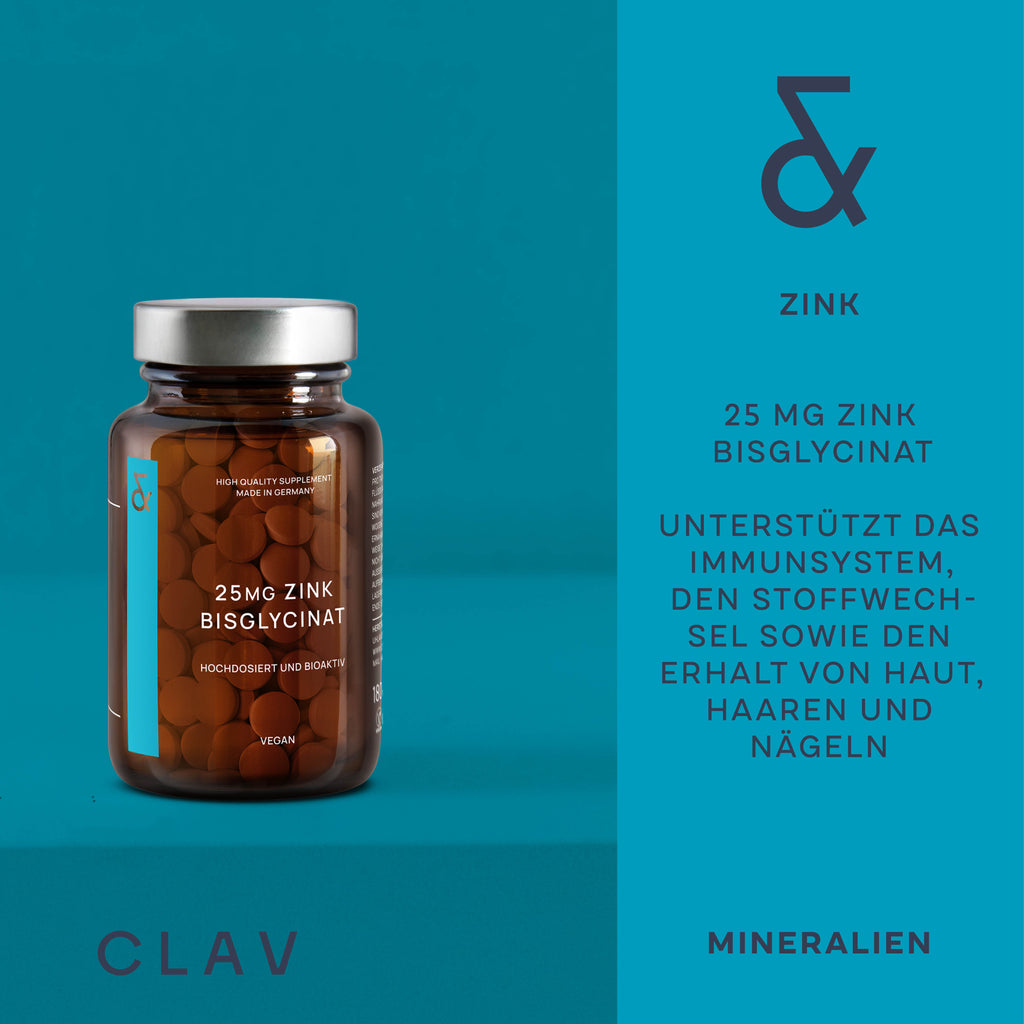
Zinc contributes to the normal functioning of:
- the immune system and acid-base balance (carbonic anhydrase)
- Vitamin A metabolism (retinol-binding protein)
- skin, nails, and hair
- DNA synthesis (transcriptional capacity)
- carbohydrate, protein, and fat metabolism
- hormone metabolism: e.g., in insulin storage in the form of a zinc complex for growth processes and
- wound healing
A variety of zinc-dependent reactions in the body are known in science. In addition to its scientifically proven antioxidant effect, zinc is said to have an anti-inflammatory effect.
3. How much zinc does the body store?
The body stores a total of 1.5 - 2.5 g of zinc. The largest part of this, approximately 70%, is found in our bones, skin, and hair. The remaining portion is mainly stored in the liver, kidneys, and muscles.
The smallest amounts of zinc are found in our blood. The body cannot store zinc for long. Therefore, a regular intake through food, distributed throughout the day, is particularly important.
4. Daily zinc requirement
For the absorbed zinc to perform its tasks effectively, it must enter our body in certain amounts through food. The exact daily requirement varies from person to person. The DGE provides different intake recommendations for various groups of people.
The recommended zinc intake for women is 7 - 10 mg per day. During pregnancy, the recommended intake increases to 7 - 13 mg of zinc. For breastfeeding mothers, an intake of 11 - 14 mg of zinc per day is recommended. For men, this is 11 - 16 mg per day.
For children up to 10 years of age, the recommended daily intake is 3 - 6 mg, before it aligns with the recommendation for women until adulthood. The intake of so-called phytates influences our zinc requirement.
Phytates belong to the secondary plant compounds, which are mainly found in grains and legumes. The amount of phytate intake therefore determines the actual level of the recommendation: For women with a low phytate intake, for example, it is recommended to take 7 mg of zinc per day.
With an increased intake of phytates through food, the recommendation increases to 10 mg of zinc per day. The same applies to the intake recommendations during pregnancy, while breastfeeding, or for the recommendation for men.
5. Foods with Zinc
Zinc is contained in foods such as cereal germ, nuts, meat, and fish. The following foods contain 7 mg of zinc in the specified quantities:
- 30 g rye sprouts
- 80 g veal liver
- 130 g hard cheese
- 130 g nuts, e.g., Brazil nuts
- 150 g rolled oats
- 200 g wheat (whole grain!)
- 200 g meat, e.g., beef shoulder
Regarding grain: the higher the extraction rate, the lower the zinc content. While milk is rather poor in zinc, hard cheese contains a higher concentration of zinc with approx. 4 mg per 100 g.
In addition, shellfish (especially oysters), porcini mushrooms, chicken eggs, pumpkin seeds, and cocoa powder are rich in valuable zinc.

6. Zinc: Meal plan for one day
To cover your daily zinc requirement, your daily meal plan could look like this:
Breakfast: 2 slices (100 g) of wholemeal bread with a little butter and 2 slices of hard cheese (at least 45% fat i. Tr., 100 g), plus a banana.
Lunch: A colorful salad with arugula, bell peppers, feta cheese, and pumpkin seeds.
Dinner: 150 g pork with 200 g broccoli and 200 g potatoes. For dessert, a portion of yogurt with strawberries provides an additional small source of zinc.
About 11 mg of zinc from food have already been supplied to the body. If you are a vegetarian, you can alternatively fry an omelet from eggs instead of pork.
Patties made from legumes, whole grains, or soy products with nuts or seeds are a good vegan alternative.
7. What do I need to know about usability?
There are several factors that can influence the utilization of zinc in the body. The body's absorption of this trace element from animal foods is generally higher than from plant-based foods.
This is due to certain amino acids contained in meat, which generally improve the utilization of zinc. The already mentioned phytates reduce the absorption of zinc in the gastrointestinal tract by binding various minerals.
Phytates are found mainly in legumes and grain products. The body can therefore only partially break down and use the contained zinc. The higher the phytate intake, the higher the recommended zinc intake (e.g., between 11 and 16 mg per day for men).
8. What impairs zinc absorption?
The following foods and nutrients make it harder for your body to absorb zinc:
- Phytates from bran,
- Legumes and grains
- Food additives
- Soft drinks
- Fast food
- Coffee
- High amounts of calcium
- Iron supplements taken in addition to dietary iron intake
9. When is the need increased?
- An increased need for zinc may be experienced by:
- Individuals with chronic illnesses such as cancer or frequent infections
- Individuals with intestinal diseases Individuals with high stress levels, increased psychological or physical strain, such as competitive athletes
- Pregnant or breastfeeding individuals
- Individuals with allergies
In these cases, special attention to zinc status and a check-up are recommended to prevent deficiencies before they arise.
10. How do I recognize a zinc deficiency?
The noticeable signs of a zinc deficiency can be very diverse. This is because zinc is involved in many different processes in the body. However, it can also mean that affected individuals do not immediately associate the signs with an undersupply of zinc.
The type and occurrence of deficiency symptoms are decisively influenced by age, gender, and also the duration and intensity of the deficiency. The following deficiency symptoms can occur:
- An increased susceptibility to infection
- Impaired wound healing and frequent inflammation
- Disturbances in taste and smell
- Hair loss
- Skin irritations and changes
- Growth disorders in childhood
If you feel you are suffering from certain deficiency symptoms, visiting a doctor or naturopath can advise you and, if necessary, check your nutrient levels.
Advertisement
11. Different Diets and Zinc
People who eat a vegetarian or vegan diet should keep an eye on their zinc levels. This is especially true if an increased susceptibility to infection or other problems that could indicate a zinc deficiency are noticeable.
In general, however, our zinc requirement can also be met with plant-based foods such as nuts, sprouts, grains, and vegetables.
12. Caution: Zinc and Vegan Nutrition
To avoid a zinc deficiency with a vegan diet, zinc-rich foods should be on your daily menu:
- Soy products (e.g. miso)
- Legumes (e.g. lentils and peas)
- Nuts and seeds (e.g. pecans and Brazil nuts)
- Whole grains
In whole grain products, the zinc-rich germ is still present, which is why they represent the better option for bread and grains.
13. Conclusion
- Zinc is a trace element that we must absorb through food.
- Our daily zinc requirement is 7 - 16 mg.
- It plays a role in almost all bodily processes.
- Zinc supports the normal function of the immune system and DNA synthesis,
- ensures a normally functioning acid-base metabolism,
- is also required for the maintenance of normal carbohydrate, vitamin A, and fat metabolism,
- and contributes to the normal health of your bones, hair, skin, and nails.
- Zinc is found in both animal and plant-based foods.
- The body can absorb more zinc from animal products.
- Particularly high amounts of zinc are found in fish, meat, grains, and nuts.
14. Sources
- Biesalski, H. K.; Grimm, P. & Nowitzki-Grimm, S. (2011). Pocket Atlas of Nutrition (6th edition). Thieme
- Ebermann, R.; Elmadfa I. (2011). Textbook of Food Chemistry and Nutrition (2nd edition). Springer-Verlag
- Horn, Fl. (2009). Biochemistry of Humans. The Textbook for Medical Studies (4th edition). Thieme
All our articles are written by nutritionists and checked for content quality by expert specialists.


 DE-ÖKO-006
